
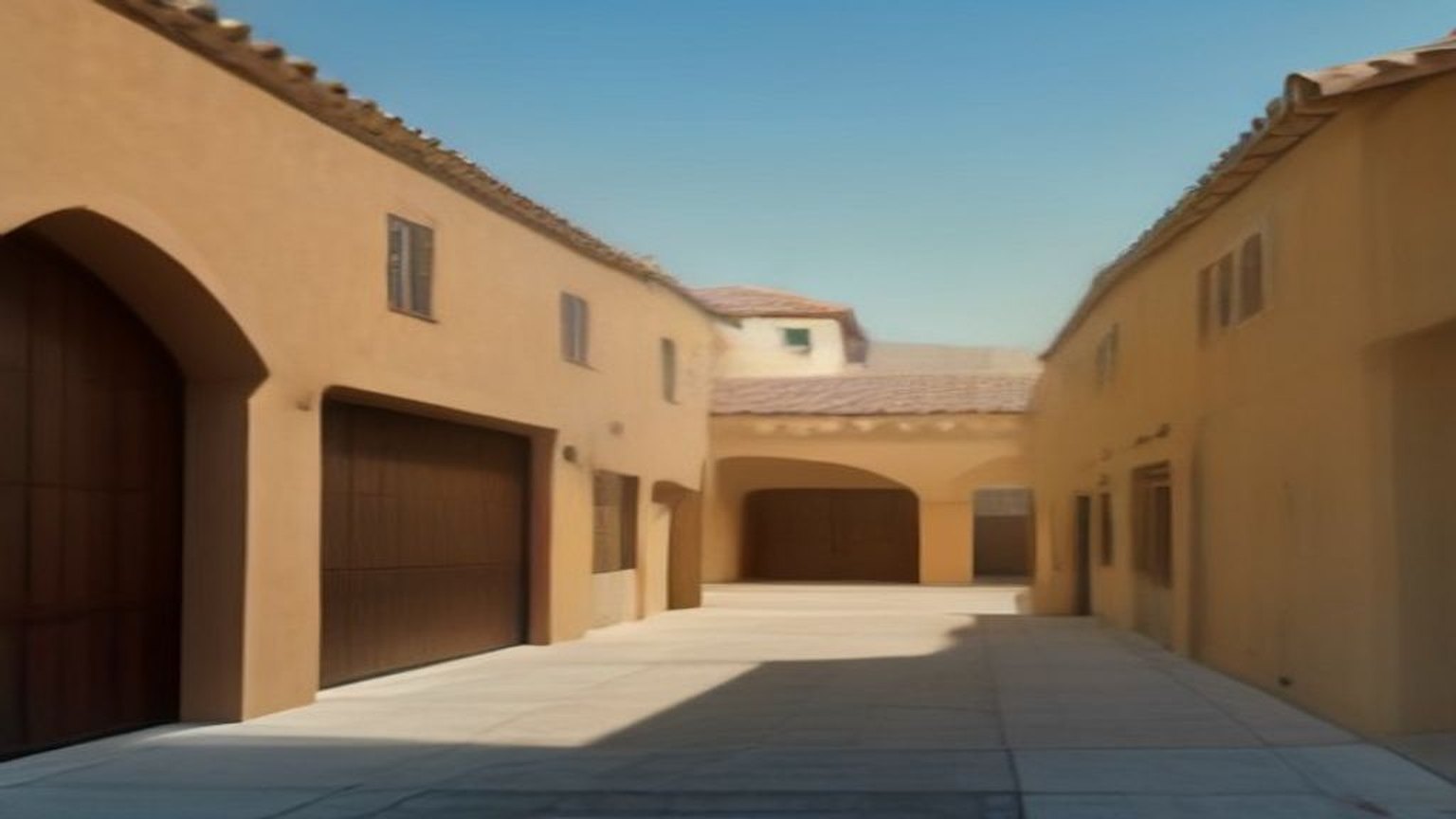
Stand across the street from a typical San Diego house and count the surfaces that actually read. The roof is one plane. The garage door is another. Between them you get some stucco, a window or two, maybe an entry recess. Paint and landscaping help, but they do not occupy the elevation the way those two rectangles do. A reroof, a door replacement, or both are the upgrades that change the house from the curb.
Homeowners often sequence them as unrelated trades. The roofer comes this year. The door waits until a spring breaks. The result is a new roof sitting over a tired, faded door, or a handsome new door under a roof that still photographs as the old house. Treating roof and garage door as a paired street-facing decision is how a San Diego elevation starts to look finished instead of half-done.
Two planes, one elevation
Curb appeal is not a vibe. It is which surfaces face the street and whether they agree with each other. A garage door can be a third of the front wall on a two-car house, sometimes more. A roof, especially a low-pitch or visible hip in this climate, is the skyline of the property. Together they set the color temperature of the whole facade: cool gray steel under a charcoal composition roof, warm wood under terracotta, dark glass under a standing-seam panel, a carriage-house door under a traditional tile.
That pairing does not require matching kits. It requires a decision. A contemporary glass garage door under a heavy Spanish tile roof will fight the house. A traditional raised-panel steel door under a very modern roof will do the same. The test is whether a photo taken from the sidewalk still looks like one project. If the roof and the door appear to have been chosen in different decades, they probably were.
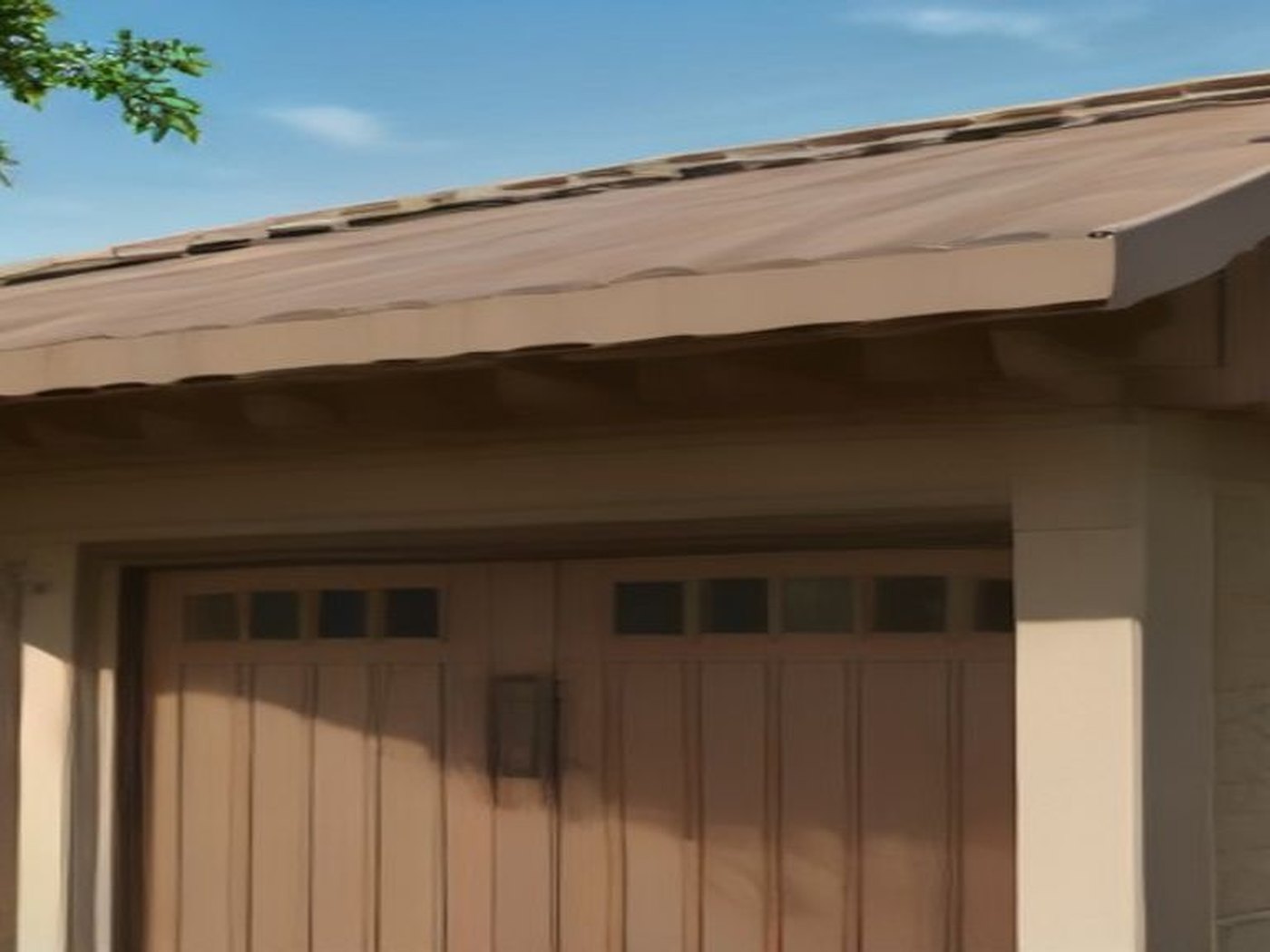
San Diego light is hard on both
This climate is easy on heating bills and hard on anything that faces west or sits in marine air. Roofs take UV, thermal cycling, and, near the water, salt. Garage doors take the same sun on a vertical plane, plus the mechanical wear of daily travel. A door that has chalked, a roof that has lost its granules, and a faded stucco field will age as a set. Replacing only one leaves the other looking older than it is, because the eye has a new surface to compare against.
That is why a reroof is the natural moment to look at the door, and a new door is the natural moment to look at the roof. You do not have to do both. You should not pretend the one you skip will still photograph well next to the one you just bought. If the budget is the roof this year, at least wash, tune, and honestly assess the door so you are not surprised by how tired it looks on the day the roofers leave.
Door styles that can keep up with a new roof
Once the roof color and material are known, the door has a job: support that plane without copying it. Modern glass doors — aluminum frames, full-view tempered glass — belong with clean contemporary roofs and simple stucco masses. They pull daylight into the garage and keep the facade from becoming a blank wall. Carriage-house doors, with a swing-style look, raised panels, and decorative hardware, belong with traditional roofs: tile, thick trim, a house that already has a story. Traditional raised-panel steel is the quiet partner for a lot of San Diego tract and courtyard roofs; it is durable, low-maintenance, and available in enough colors to sit under a new shingle or tile without shouting.
Insulated triple-layer steel is the comfort version of that steel story. The street does not see the insulation. The household does. A triple-layer insulated door is sold as quieter and 10–20° more comfortable, which matters on attached San Diego garages that bake in the afternoon even when the living rooms stay mild. If you are already investing in a roof that tightens the top of the house, an uninsulated garage door is the remaining hole in the front. Spec the insulated door when the garage is attached or used as space, not only when the rendering wants a particular panel profile.
When the reroof is the door conversation
Scaffolding and a torn-off roof already disrupt the front of the house. Adding a garage-door replacement to that window is often cheaper in household terms than running a second project six months later. A new door installed after the roof is closed, or staged so the crews are not stacked, gives you one reveal instead of two.
Sequence still matters. Roofers need a working garage or a clear driveway; door crews need a finished opening and a slab that is not about to be recut for drainage. Talk to both trades before the first dumpster lands. Same-day garage door installation is useful here: a crew that can hang a door and an opener in a visit, with parts on the truck, can occupy a single day in a reroof calendar instead of a week of callbacks. Belt-drive, chain-drive, or wall-mount openers should be chosen in that same conversation, especially if the reroof is also a garage conversion or a storage build-out that wants the ceiling back.
If the existing door is sound, the paired upgrade might be a $49.95 lube and tune rather than a replacement: a short service that quiets the door and confirms the springs and cables will survive the construction period. A door that is already off-track, or that has a tired spring, should be repaired before roofers start using the opening as a gate. Spring, cable, and off-track repairs are same-day work for a company that stocks the parts. They are not a reason to leave a failing door under a brand-new roof.
Who handles the door while the roof is in motion
Roofing and garage doors are different licenses and different trucks. Hire them that way. The door side of the pairing wants factory-trained, background-checked technicians, upfront pricing, no-pressure estimates, and a workmanship warranty. It also wants a California contractor license you can look up. Newman Garage Doors publishes CA Lic. #1134199. The company is a family-owned extension of Newman Windows & Doors, trusted since 2004 for garage door work in Southern California, distinct from the parent company’s 1993 founding.
For a house in this county, Newman Garage Doors in San Diego is the door half of that street-facing pair: same-day repair and installation, steel, wood, aluminum, or glass, including the glass, carriage-house, raised-panel, and insulated triple-layer options that have to sit under a new roof without looking like a leftover. They list San Diego, Carlsbad, Encinitas, Oceanside, Vista, Escondido, and Chula Vista. Call (760) 438-8080, or 877-7-NEWMAN, while the roof is still on paper, not after the shingles are already on and the old door is the only tired thing left in the photo.
A sidewalk test before you sign either contract
Print a street photo of the house, or stand on the opposite curb at 4 p.m. Ask which surface is doing the damage. If it is the roof, reroof and then decide whether the door can stay. If it is the door, replace or repair the door and be honest about the roof. If it is both, budget both, even if they land a season apart, and choose colors together. The insulated-door question is separate from the color question. The opener question is separate from both. None of them should be left to the punch list of the other trade.
The bottom line
On a San Diego street, curb appeal is mostly roof and garage door. Spec them as a pair. Use the reroof as a chance to repair or replace the door, or use a new door as a chance to look hard at the roof. Match style to architecture, put insulated triple-layer steel on attached garages, and hire a licensed door company that can work inside a roofing calendar. The house will read as one project from the curb, which is the only test that matters.
